
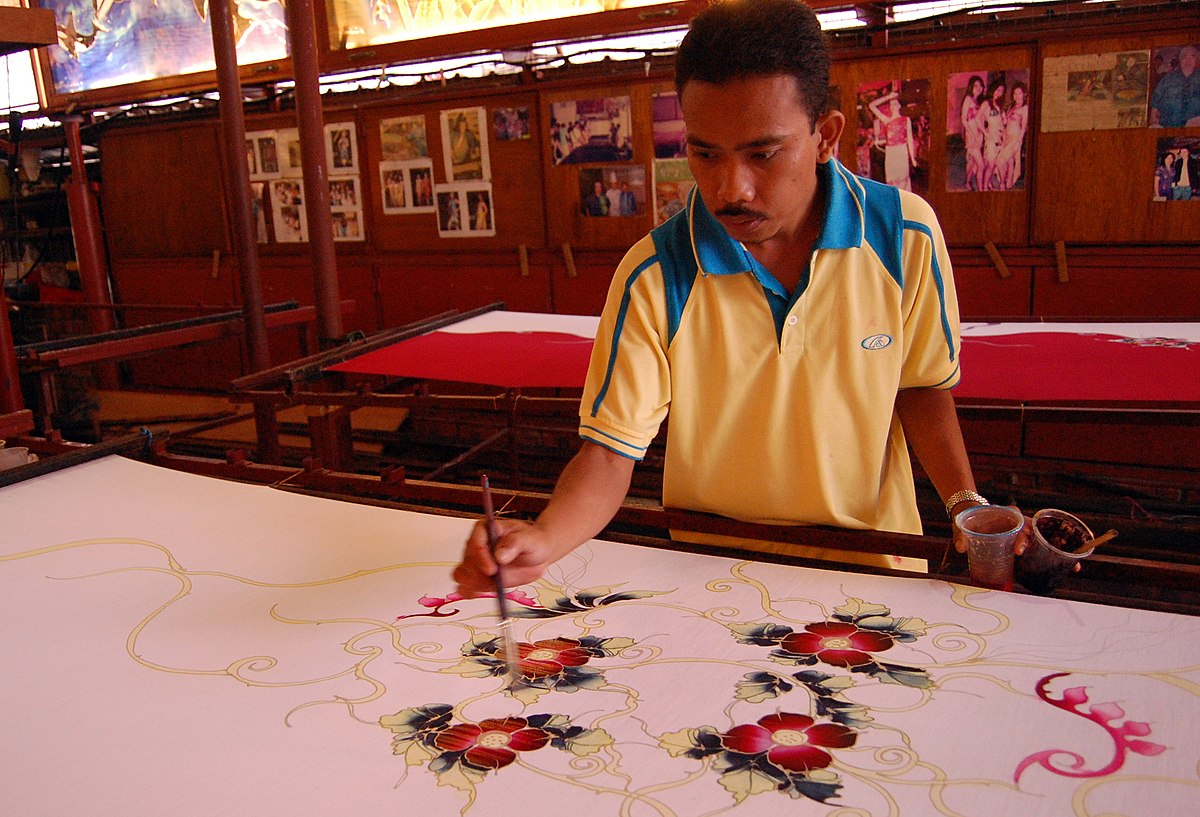
Understanding Malaysian Batik
Batik is one of Malaysia's most treasured traditional art forms, recognized by UNESCO as part of the world's intangible cultural heritage. This intricate wax-resist dyeing technique creates stunning patterns on fabric, combining artistic expression with cultural significance.
The History of Batik in Malaysia
Batik has been practiced in Malaysia for centuries, with influences from Javanese, Chinese, and Indian cultures. Malaysian batik is distinguished by its bold, vibrant colors and geometric patterns, often featuring floral motifs and abstract designs inspired by nature.
Essential Materials
To create batik, you'll need several key materials:
- Natural fabric (cotton or silk)
- Beeswax or paraffin wax
- Tjanting tool (wax applicator)
- Fabric dyes in various colors
- Design template or stencil
- Stretching frame
Basic Batik Process
The batik process involves several distinct steps:
- Design Planning: Sketch your pattern on paper first, considering how colors will interact.
- Fabric Preparation: Wash and stretch the fabric tightly on a frame.
- Wax Application: Heat wax and apply it to areas you want to remain the original color.
- First Dyeing: Apply the lightest color first, then let it dry.
- Additional Wax Layers: Apply more wax to preserve colors as you add darker shades.
- Final Dyeing: Apply the darkest color last.
- Wax Removal: Boil or scrape off the wax to reveal the final pattern.
Modern Applications
Contemporary Malaysian designers have adapted batik techniques for modern fashion, home decor, and art installations. The traditional craft continues to evolve while maintaining its cultural roots.
Learning Resources
Many workshops and art centers throughout Malaysia offer batik classes. The National Textile Museum in Kuala Lumpur provides excellent resources for learning about traditional techniques and viewing historical examples.
Last Updated: January 2026
Related Topics: Art Tutorials | Design Inspiration | Creative Guides